
From reimagining a Victorian terrace to refreshing a 1960s bungalow, every successful interior design project begins with a clear visual direction. Whether you are a professional decorator planning a Georgian renovation or a homeowner exploring ideas for a terraced house extension, establishing a coherent aesthetic vision is crucial. This is where trend boards emerge as indispensable tools, bridging inspiration and execution by offering a tangible snapshot of style, atmosphere, and creative intent. By weaving together colours, textures, materials, and spatial concepts, these visual aids empower both designers and clients to communicate ideas with clarity and confidence throughout the entire design process.
Understanding trend boards: the essential visual tool for interior design inspiration
At their core, trend boards serve as dynamic canvases that capture the essence of a design concept. They distil complex ideas into a single, cohesive visual narrative, making them invaluable for anyone embarking on a home design or project renovation journey. Unlike static references, trend boards evolve alongside creative exploration, reflecting shifts in taste, emerging materials, and evolving spatial layouts. They function as both a compass and a repository, guiding decision-making while preserving the original vision that sparked the project.
What Makes a Trend Board Different from Mood Boards and Style Guides
While the terms trend board and mood board are often used interchangeably, subtle distinctions exist that merit attention. Mood boards typically focus on evoking an emotional response, capturing the atmosphere or feeling desired within a space. They might include aspirational imagery, lifestyle snapshots, and abstract representations of colour and light. Trend boards, on the other hand, lean towards actionable design intelligence, incorporating current and forecasted trends in finishes, furniture, and spatial arrangements. They translate ephemeral inspiration into practical direction, making them particularly useful for professionals navigating fast-moving markets and evolving client expectations.
Style guides differ again, serving as comprehensive reference documents that codify brand identity or design standards across multiple projects. They prescribe specific palettes, typefaces, and graphic elements to ensure consistency. Trend boards occupy a middle ground, offering flexibility and inspiration without the rigid constraints of a style guide, yet providing more tangible direction than a purely aspirational mood board. This balance makes them ideal for projects where creativity and strategic planning must coexist, such as a 1930s terrace extension or a contemporary renovation of an Edwardian property.
Core Elements of Effective Trend Boards: Colours, Textures, and Spatial Layouts
Creating an effective trend board requires careful curation of several foundational elements. Colour palettes anchor the visual narrative, establishing the emotional tone and guiding subsequent material selections. Whether opting for the muted elegance of a Georgian colour scheme or the bold contrasts found in 1950s interiors, the chosen hues must resonate with the intended atmosphere and spatial context. Textures add depth and tactile interest, transforming flat imagery into something that feels tangible and inviting. From the warmth of reclaimed timber to the coolness of polished stone, textural diversity enriches the story a trend board tells.
Materials form another critical layer, grounding abstract inspiration in the reality of what can be sourced, afforded, and installed. Including swatches or high-resolution images of fabrics, wall finishes, and flooring options ensures that the board remains practical and actionable. Furniture selections further refine the narrative, offering concrete examples of how the space might be inhabited and experienced. Finally, spatial layouts provide context, illustrating how individual elements will coalesce within the physical dimensions of a room or building. Whether working on a compact bungalow or a sprawling Victorian terrace, integrating floor plans or perspective sketches transforms the trend board from a collection of pretty pictures into a genuine design tool.
Practical applications: how designers and clients use trend boards throughout project development
Trend boards are not merely decorative exercises; they are strategic instruments that facilitate collaboration, streamline decision-making, and prevent costly missteps. For designers, they serve as a visual contract, aligning expectations between themselves and their clients before any paintbrush touches a wall or tile is laid. For clients, they offer reassurance and clarity, demystifying the design process and providing a tangible reference point as the project unfolds. This mutual understanding is especially vital in complex renovations, where budgets are tight and timelines are inflexible.
Building a cohesive design identity through strategic trend board creation
One of the most powerful applications of trend boards lies in their ability to forge a cohesive design identity. Whether developing a brand for a commercial space or defining the aesthetic of a family home, a well-crafted board ensures that every decision supports a unified vision. This coherence extends beyond individual rooms, linking spaces through shared palettes, recurring textures, and consistent material choices. For instance, a renovation of a 1960s property might thread mid-century inspired furniture and warm wood tones throughout the living areas, kitchen, and bedrooms, creating a harmonious flow that feels intentional rather than haphazard.
Trend boards also enable designers to experiment with bold ideas in a low-risk environment. By assembling and rearranging elements digitally or physically, they can test colour combinations, juxtapose contrasting textures, and evaluate furniture scales without committing to purchases or installations. This iterative process not only sparks creativity but also builds confidence, allowing designers to present clients with refined, thoughtful proposals rather than half-formed concepts. The result is a design identity that feels both innovative and considered, reflecting careful thought and strategic planning.
Real-World Examples of Trend Boards Transforming Residential and Commercial Spaces
Across the United Kingdom, trend boards have played pivotal roles in transforming a diverse array of properties. Consider a recent project involving a Victorian terrace extension, where the designer used a trend board to marry period features with contemporary comforts. By curating images of reclaimed brickwork, traditional sash windows, and modern skylights, the board communicated how old and new could coexist harmoniously. The colour palette drew from historic references, incorporating deep greens and rich terracottas, while textures ranged from aged oak to sleek concrete, illustrating the project's dual identity.
In another example, a 1930s semi-detached house underwent a comprehensive renovation guided by a meticulously assembled trend board. The board highlighted art deco motifs, geometric patterns, and streamlined furniture, capturing the era's aesthetic while integrating modern amenities. By including samples of period-appropriate tiles, wallpaper designs, and lighting fixtures, the board provided a clear roadmap for contractors and suppliers, reducing ambiguity and ensuring that the finished space honoured its architectural heritage. Such real-world applications demonstrate that trend boards are far more than inspirational collages; they are practical blueprints that translate vision into reality.
Digital Trend Boards vs Physical Assemblies: Choosing the Right Approach for Your Design Practice
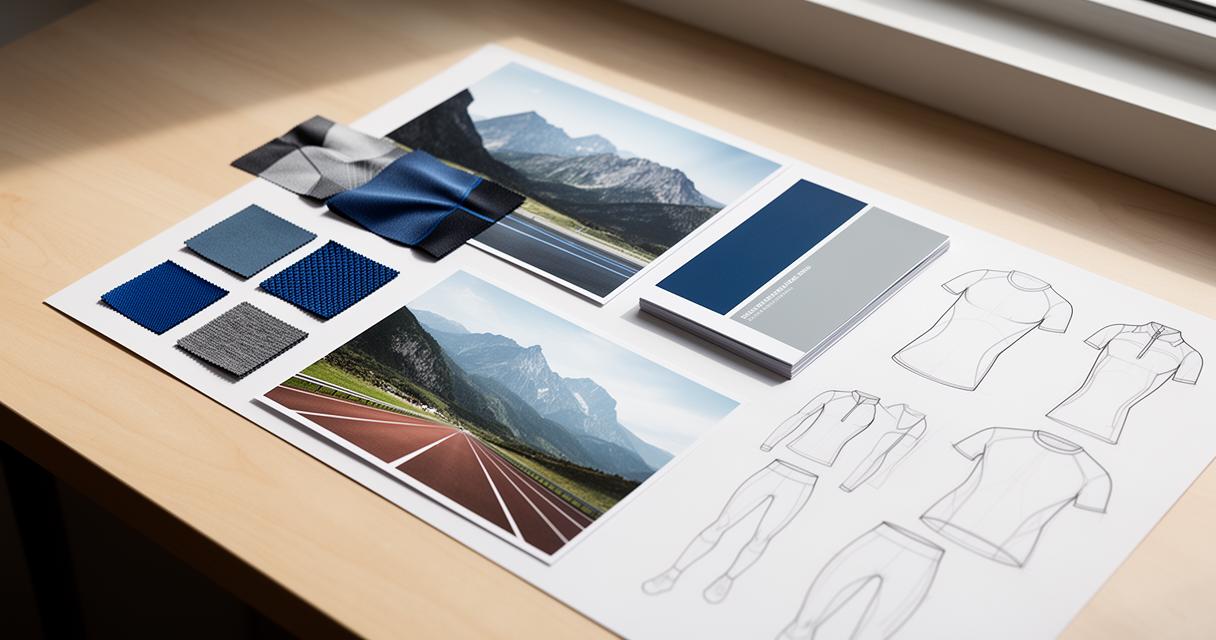
The choice between digital and physical trend boards is not binary but contextual, depending on project requirements, client preferences, and the designer's workflow. Each approach offers distinct advantages, and many professionals find value in combining both methods to maximise flexibility and impact. Understanding these differences is essential for anyone seeking to harness trend boards effectively within their design practice or personal renovation journey.
Online Tools and Platforms That Revolutionise Trend Board Development for Architects and Decorators
Digital trend boards have surged in popularity, driven by the accessibility and versatility of online platforms. Pinterest remains a dominant force, offering an intuitive interface for gathering and organising inspirational images. Users can create private boards for personal projects or collaborative boards for team-based renovations, making it easy to share ideas and solicit feedback. Instagram serves a similar function, though its emphasis on visual storytelling and influencer culture lends itself to more aspirational, lifestyle-driven content. For designers seeking to tap into broader trends, Instagram's hashtag ecosystem provides a real-time pulse on what is resonating within the design community.
Canva has emerged as a powerful tool for those who want more control over layout and presentation. Its drag-and-drop interface allows users to combine images, text, and graphic elements into polished, professional-looking boards. This is particularly useful when presenting to clients who may not be familiar with raw Pinterest boards or Instagram grids. Meanwhile, platforms like Style Sourcebook cater specifically to interior design professionals, offering curated libraries of materials, finishes, and furniture that can be seamlessly integrated into digital boards. Such tools streamline the creative process, reducing the time spent hunting for images and enabling designers to focus on synthesis and storytelling.
Despite the dominance of digital tools, physical trend boards retain a devoted following, particularly among designers who value the tactile experience of handling materials and swatches. There is something irreplaceable about feeling the weight of a fabric, observing how light plays across a textured surface, or comparing paint chips side by side. Physical boards also excel in client presentations, where the ability to touch and examine materials can deepen engagement and foster trust. For projects involving heritage properties, such as Georgian or Edwardian renovations, the authenticity of physical samples can be especially persuasive, grounding abstract concepts in tangible reality.
The creative process: from initial inspiration to final visual strategy using trend boards
The journey from initial inspiration to a finalised trend board is both iterative and intuitive, blending research, experimentation, and refinement. It often begins with broad exploration, gathering images, materials, and ideas that resonate emotionally or intellectually. This phase is intentionally expansive, casting a wide net to capture diverse possibilities. Designers might browse magazines, visit showrooms, or scroll through social media, collecting anything that sparks curiosity or aligns with the project's emerging narrative.
Once a critical mass of inspiration has been assembled, the process shifts towards curation and organisation. This is where the designer begins to identify patterns, recurring themes, and potential colour schemes. Images are grouped, materials are compared, and weaker elements are pruned away. The goal is to distil the initial abundance into a focused, coherent statement that communicates a clear direction. Attention to detail becomes paramount; every element must earn its place, contributing meaningfully to the overall story rather than simply filling space.
As the board nears completion, storytelling takes centre stage. Effective trend boards do not merely present a collection of attractive images; they weave those images into a compelling narrative that guides the viewer's eye and imagination. This might involve arranging elements to suggest spatial flow, juxtaposing contrasting textures to highlight their interplay, or sequencing colours to evoke a progression from light to dark. The final board should feel inevitable, as though every piece was always meant to be there, working in harmony to support the project's vision. This level of refinement transforms the trend board from a planning tool into a work of art in its own right, capable of inspiring confidence and excitement in both designers and clients.
Whether you are an architect refining a commercial scheme, a decorator embarking on a terraced house extension, or a homeowner dreaming of a bungalow makeover, mastering the art of trend board creation is a skill that pays dividends throughout the design process. By embracing both digital and physical methods, integrating colour palettes and textures with intention, and committing to thoughtful storytelling, you can harness the full potential of this essential visual tool. The result is not just a beautiful space, but a journey marked by clarity, creativity, and collaboration.