For anglers seeking to maximise comfort during the warmer months whilst maintaining protection and performance, the evolution of breathable wader technology continues to impress throughout 2025. Whether casting flies into gentle streams or navigating deeper currents, selecting the appropriate gear can transform an ordinary fishing outing into an exceptional experience. With professional guides logging upwards of two hundred and fifty days annually in their waders, the insights gathered from such extensive use provide invaluable guidance for enthusiasts of all levels. This comprehensive exploration examines the finest options available this February, balancing cutting-edge materials with practical considerations for diverse fishing environments.
Understanding breathable wader technology and material construction
Modern breathable waders represent a significant departure from the heavy neoprene designs that once dominated the market. The shift towards lightweight fabrics has revolutionised summer fishing, allowing anglers to remain cool and dry even during extended sessions under the sun. Advanced materials such as Gore-Tex have become the gold standard, offering exceptional waterproofing whilst permitting perspiration to escape. This balance between protection and ventilation ensures that the wearer remains comfortable regardless of activity level, eliminating the clammy discomfort associated with older designs. The technology behind these fabrics involves microscopic pores that are small enough to prevent water ingress yet large enough to allow moisture vapour to pass through, creating an environment that regulates temperature naturally.
Comparing Neoprene versus Lightweight Breathable Fabrics for Summer Fishing
Neoprene waders have long been valued for their insulating properties, making them suitable for cold water conditions where warmth is paramount. However, their weight and tendency to retain heat render them less effective during warmer seasons. Breathable fabrics address these limitations by providing a lightweight alternative that adapts to fluctuating temperatures. During summer outings, the ability to layer clothing beneath breathable waders allows anglers to fine-tune their comfort, adding or removing garments as conditions dictate. In contrast, neoprene's inherent insulation can become overwhelming when ambient temperatures rise, leading to excessive sweating and discomfort. The preference for breathable materials reflects a broader trend towards versatility, enabling a single pair of waders to perform admirably across multiple seasons with appropriate layering strategies.
How Reinforced Tape and Multi-Layer Systems Enhance Durability and Comfort
Durability remains a critical consideration for any angler investing in quality waders, and reinforced tape plays a pivotal role in extending the lifespan of these garments. Strategically placed along seams and high-stress areas, this tape prevents water from penetrating through stitching whilst reinforcing vulnerable points against wear and tear. Multi-layer construction further enhances resilience, combining outer protective shells with inner breathable membranes to create a robust yet comfortable barrier. These layers work in tandem to resist abrasion from rocks, branches, and other obstacles encountered in rugged environments. The integration of reinforced knees and seat areas demonstrates manufacturers' attention to the realities of fishing, where kneeling and sitting are commonplace. By addressing these practical needs, modern waders achieve a balance between lightweight comfort and long-lasting performance, ensuring that even the most demanding conditions are met with confidence.
Choosing the Perfect Fit: Stockingfoot and Boot Designs for Men and Women
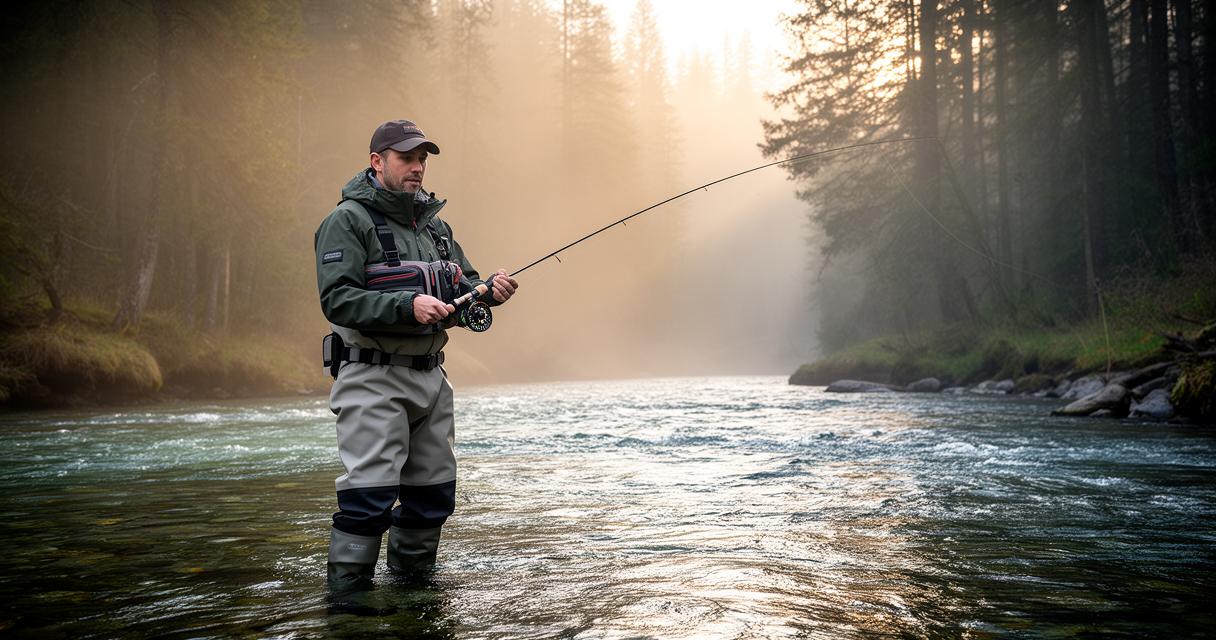
The choice between stockingfoot and bootfoot designs significantly influences both comfort and safety on the water. Stockingfoot waders, which require separate wading boots, are favoured by professional guides for their superior fit and flexibility. This configuration allows anglers to select boots that match the specific terrain they encounter, whether navigating slippery riverbeds or traversing uneven banks. The separation between wader and boot also facilitates easier drying and maintenance, reducing the risk of unpleasant odours and prolonging the lifespan of both components. Bootfoot designs, whilst convenient for those seeking an all-in-one solution, can present challenges in achieving an optimal fit, particularly when foot and leg sizes do not align with standard proportions. For anglers prioritising comfort during extended sessions, the stockingfoot approach offers unmatched customisation and responsiveness to individual needs.
Sizing Considerations and Anatomical Differences in Wader Selection
Achieving the correct size is essential for maximising both comfort and functionality, and anatomical differences between men and women necessitate distinct design approaches. Women's waders typically feature adjusted proportions in the hips, chest, and inseam to accommodate natural body shapes, ensuring a secure yet unrestricted fit. Men's designs, whilst offering a broader range of sizes, must still account for variations in torso length and leg width to prevent bunching or tightness. Trying waders before purchase, whenever possible, allows anglers to assess movement and identify potential pressure points that could become problematic during prolonged use. Manufacturers increasingly provide detailed sizing charts and fit guides, empowering buyers to make informed decisions even when purchasing online. Recognising that a well-fitted wader enhances mobility, reduces fatigue, and minimises the risk of water ingress, careful attention to sizing proves well worth the effort.
Evaluating Comfort Features for Extended Fishing Sessions in Varying Environments
Comfort extends beyond mere fit, encompassing a range of features designed to enhance the overall fishing experience. Adjustable suspenders with padded straps distribute weight evenly across the shoulders, preventing the discomfort associated with prolonged wear. Internal pockets provide convenient storage for essential items such as forceps, tippet spools, and line clippers, keeping tools within easy reach without requiring external vests or packs. Gravel guards, which seal the interface between wader and boot, prevent debris from entering and causing irritation during wading. Breathable waders excel in varied environments, from warm summer streams to cooler autumn rivers, adapting through strategic layering rather than relying on fixed insulation. This versatility ensures that anglers remain comfortable regardless of shifting weather patterns, allowing them to focus on the pursuit rather than battling their gear.
Premium Brands and Price Points: Simms and Quality Alternatives for Every Budget
Simms has established itself as a benchmark for premium waders, with models such as the G3 Guide and Freestone series earning accolades from both professionals and enthusiasts. The G3 Guide represents the pinnacle of design and performance, incorporating advanced materials and meticulous construction to withstand the rigours of daily use. Whilst commanding a price exceeding five hundred pounds, its durability and comfort justify the investment for serious anglers who demand the best. The Freestone Z Bootfoot variant excels in cold water conditions, offering integrated insulation and a streamlined design that balances warmth with mobility. For those seeking alternatives without compromising quality, brands such as Orvis present compelling options. The Orvis Men's Ultralight Stockingfoot delivers exceptional breathability and a feather-light feel, catering to anglers who prioritise agility and packability. These premium offerings reflect years of refinement and innovation, ensuring that each feature serves a practical purpose rather than merely adding unnecessary complexity.
Assessing value and availability across different price ranges
Budget-conscious anglers often face a dilemma when confronted with the stark price differences between premium and economy waders. Whilst entry-level options from manufacturers such as Paramount Outdoors and Frogg Toggs can be acquired for under one hundred pounds, their longevity and reliability frequently fall short of expectations. User feedback consistently highlights issues such as premature leaking and seam failures, suggesting that the initial savings may be offset by the need for frequent replacements. Mid-range waders, typically priced between two hundred and four hundred pounds, strike a balance by incorporating proven materials and construction techniques without the premium associated with top-tier brands. Availability varies by region, with online retailers offering broader selections and competitive pricing compared to local shops. However, the ability to physically inspect and try waders before purchase remains a significant advantage of brick-and-mortar establishments, reducing the likelihood of sizing errors and dissatisfaction. Evaluating value requires considering not only the upfront cost but also the expected lifespan and performance across diverse conditions, ensuring that the chosen waders align with both budget and fishing aspirations.
Cold Water Performance and Versatile Features for Diverse Fishing Conditions
Cold water fishing presents unique challenges that demand specialised features beyond standard breathability. The Simms Freestone Z Bootfoot addresses these demands through integrated insulation and a bootfoot design that minimises heat loss whilst maintaining waterproof integrity. For anglers who prefer stockingfoot configurations even in colder climates, layering thermal underwear and insulated socks beneath breathable waders proves highly effective. This approach allows for precise temperature regulation, adapting to both the ambient air and water conditions encountered throughout a day on the river. Versatility extends to features such as reinforced knees and seats, which accommodate the varied postures adopted during different fishing techniques, from nymphing to dry fly presentations. Manufacturers continue to refine designs to ensure that waders perform reliably across the spectrum of fishing environments, from high mountain streams to tidal estuaries. By prioritising adaptability and robust construction, the best waders of 2025 empower anglers to pursue their passion regardless of season or setting, confident in their gear's ability to deliver comfort and protection when it matters most.